
Stigma, Law, and High-Risk Industries: What Cannabis Can Learn from Digital Creators in Indiana
 Cindy Davis
 Introduction
Cannabis reform has made great strides, but legal challenges remain. Even in jurisdictions with legalization, consumers and businesses face confusion around compliance, inconsistent regulations, and lingering stigma. The reality is that cannabis is still classified as “high risk,” which shapes everything from banking access to employment rights.
Interestingly, these barriers aren’t unique to cannabis. Other industries — particularly in the digital economy — face similar battles for legitimacy and fair treatment.
Cannabis and Legal Complexity
From possession limits to workplace testing, cannabis users and entrepreneurs often operate under a patchwork of laws that vary by state, province, and even city. Navigating this maze requires constant education and advocacy.
The financial system adds another layer of difficulty:
- In 2021, only 518 out of nearly 5,000 U.S. commercial banks reported serving cannabis-related businesses.
- Even when banks do engage, they are required to file suspicious activity reports (SARs) on cannabis clients, creating a chilling effect.
- This forces many cannabis businesses to operate on a cash-heavy basis, raising security risks and making payroll and compliance unnecessarily complicated.
These legal and financial barriers make cannabis one of the most restricted industries in America despite its growing legitimacy.
Parallel Struggles in Indiana
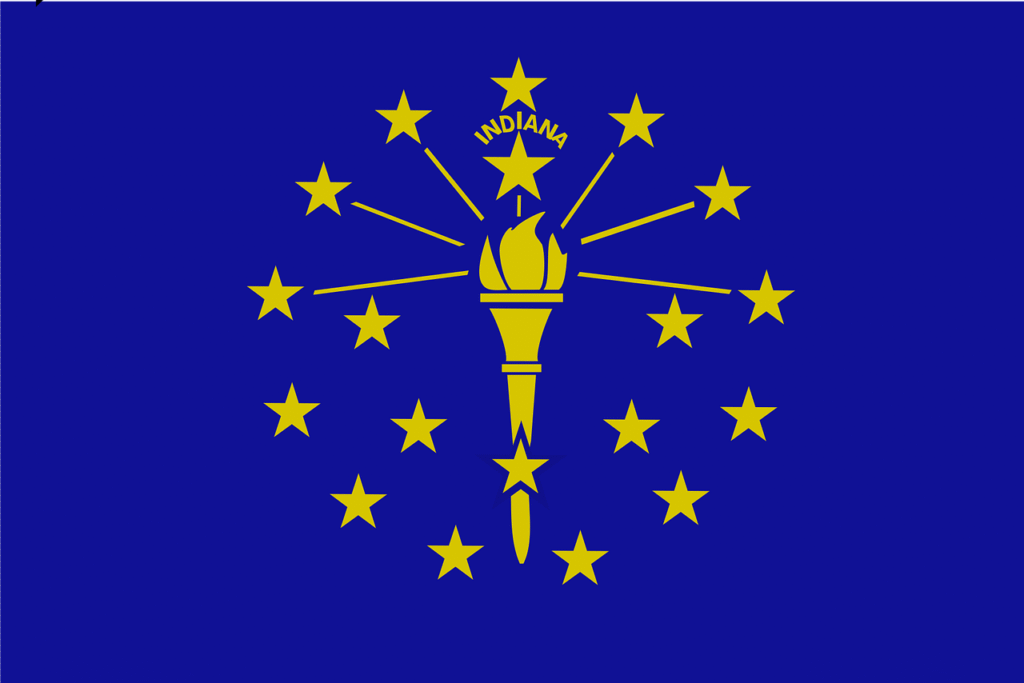
Digital creators in Indiana face a comparable set of challenges. While their work is entirely legal, platforms and payment processors often classify them as “high-risk,” leading to:
- Delayed or withheld payments.
- Inflated transaction fees.
- Denial of accounts from mainstream banks and processors.
A recent survey of 750 creators showed that 87% had been paid late, underpaid, or not paid at all. For nearly 40%, chasing missing payments was their top frustration. Another study found that 41% of creators say payment delays are their biggest pain point when working with brands.
Communities like HotInIndiana.com highlight this reality — showing how creators build livelihoods in spite of barriers that mirror those faced by cannabis entrepreneurs.
Shared Themes: Rights, Advocacy, and Stigma
Both cannabis consumers and digital creators deal with:
- Legal uncertainty: shifting laws and unclear protections.
- Stigma: judgments from institutions and society.
- Barriers to fair treatment: whether in financial services or workplace protections.
These struggles underscore the importance of education and advocacy. When people understand their rights and responsibilities, they are better equipped to challenge unfair systems and push for reform.
Why It Matters
Cannabis legalization is not just about access — it’s about justice, rights, and dignity. The same is true for other marginalized industries. By drawing parallels, we strengthen the case for policies that protect individuals, respect livelihoods, and recognize the realities of evolving economies.
Conclusion
Cannabis consumers, business owners, and digital creators in places like Indiana are part of a broader story: the fight for recognition and fair treatment in the face of outdated laws and cultural stigma. At BC Justice For Cannabis, we will continue to explore these connections, because each struggle for justice informs the next — and together, they shape a more equitable future.
SOURCES: